Choosing interior wall cladding means balancing appearance, weight, moisture resistance, fire rating and installation cost. The main options — PU stone, flexible stone, WPC panels and natural materials — each suit different spaces. This guide walks through the decision criteria so contractors and designers can specify the right cladding the first time.
Key Facts
- ◆Match cladding to the space: use waterproof materials in bathrooms and kitchens.
- ◆Check fire rating requirements for commercial and multi-family projects.
- ◆Consider weight: lightweight panels like PU stone need no structural reinforcement.
- ◆Compare installation time and labor cost, which often exceed material cost.
Step 1: Define the Space and Environment
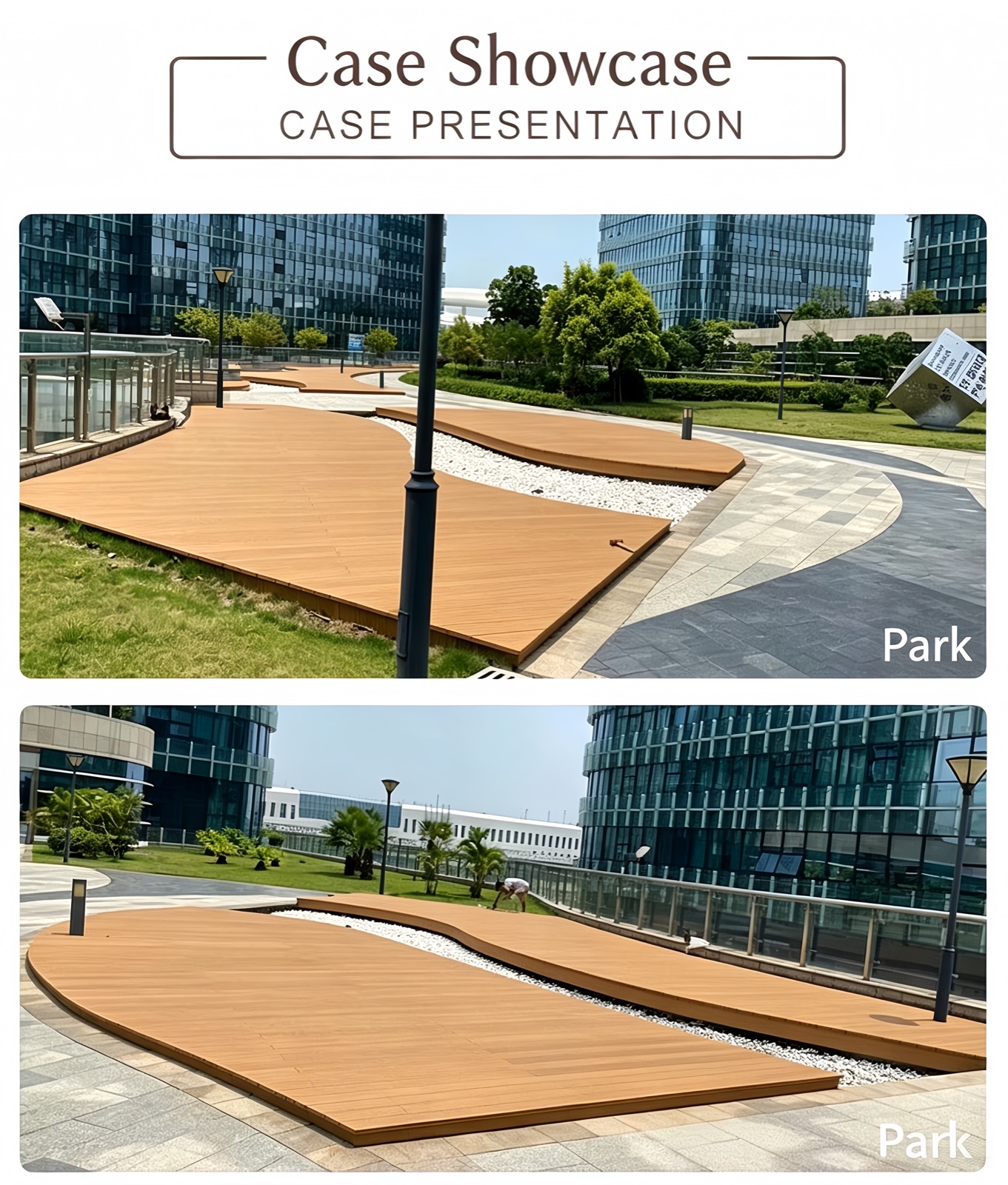
Start with the room. Bathrooms, kitchens and laundry areas need waterproof and moisture-proof cladding, which makes PU stone and WPC panels strong candidates. Dry living areas allow more freedom, including flexible stone and decorative panels. Outdoor or semi-outdoor spaces require UV-resistant and weatherproof materials.
Step 2: Check Fire and Building Requirements
Commercial projects and multi-family buildings often have fire-rating requirements for wall cladding. Flexible stone is available in A1 fireproof grades, and PU stone is fire-retardant. Confirm the local code requirement before specifying, and request test documentation from the supplier.
Step 3: Compare Weight and Installation
| Material | Weight | Installation | Best For |
|---|---|---|---|
| PU stone | Very light | Adhesive, fast | Feature walls, wet areas |
| Flexible stone | Very light | Adhesive, wraps curves | Columns, arches, curves |
| WPC panels | Light | Screw or adhesive | Accent walls, outdoor |
| Natural stone | Heavy | Mortar, skilled labor | High-end, structural |
Lightweight materials such as PU stone and flexible stone can be installed on standard walls with adhesive, which shortens project timelines and reduces labor cost. Heavy natural stone may require structural reinforcement and specialized masonry labor.
Step 4: Match Appearance to the Design
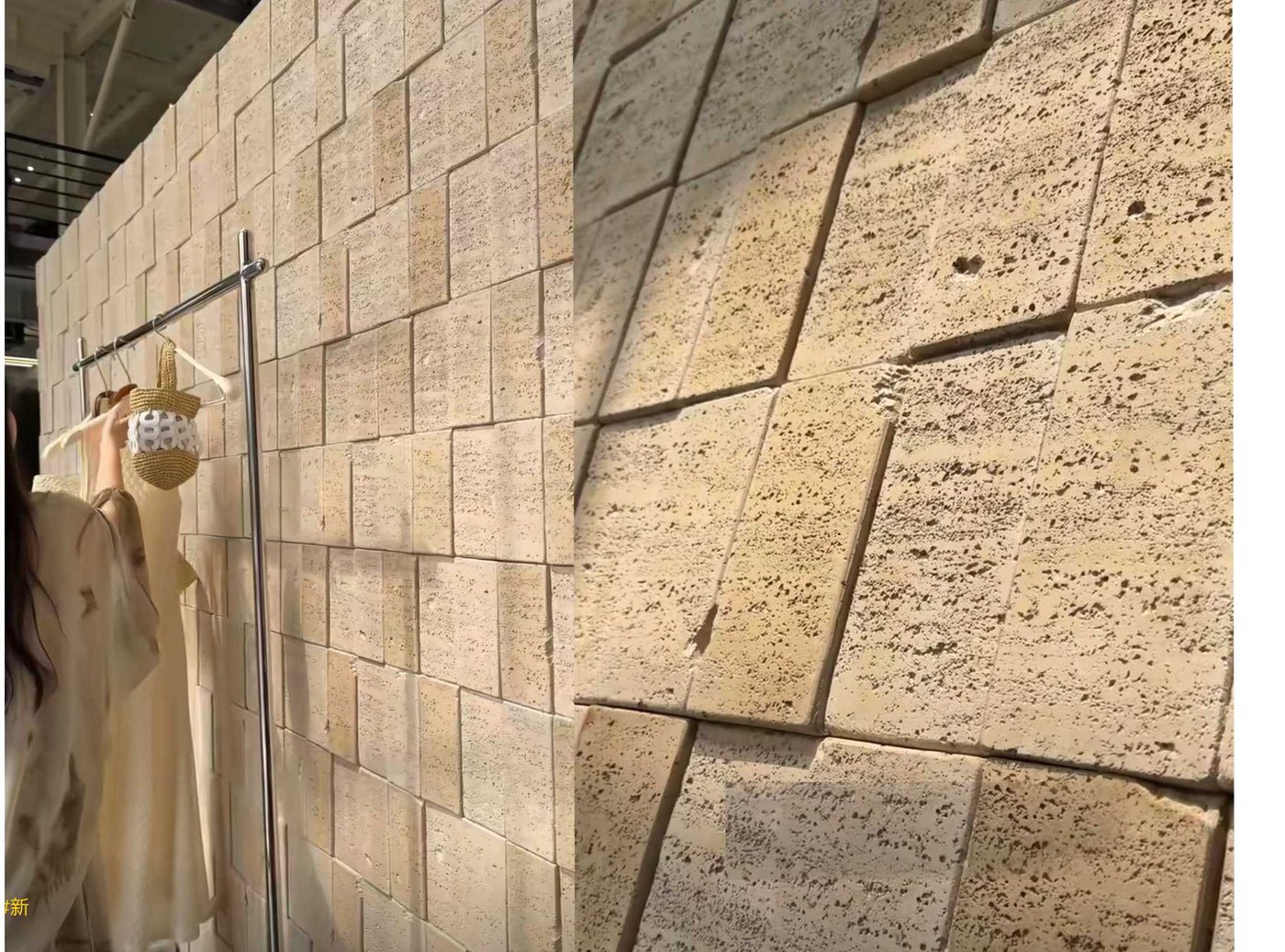
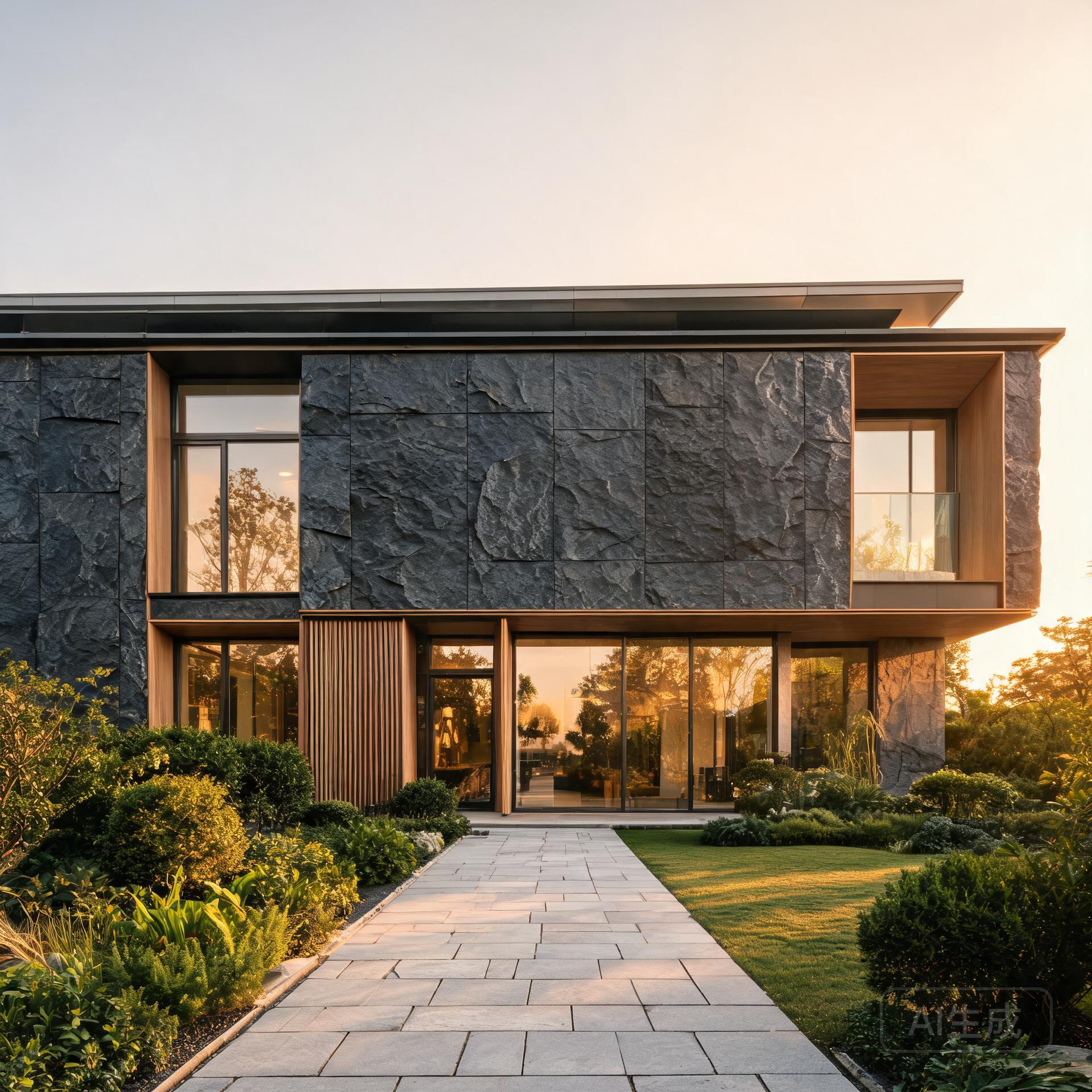
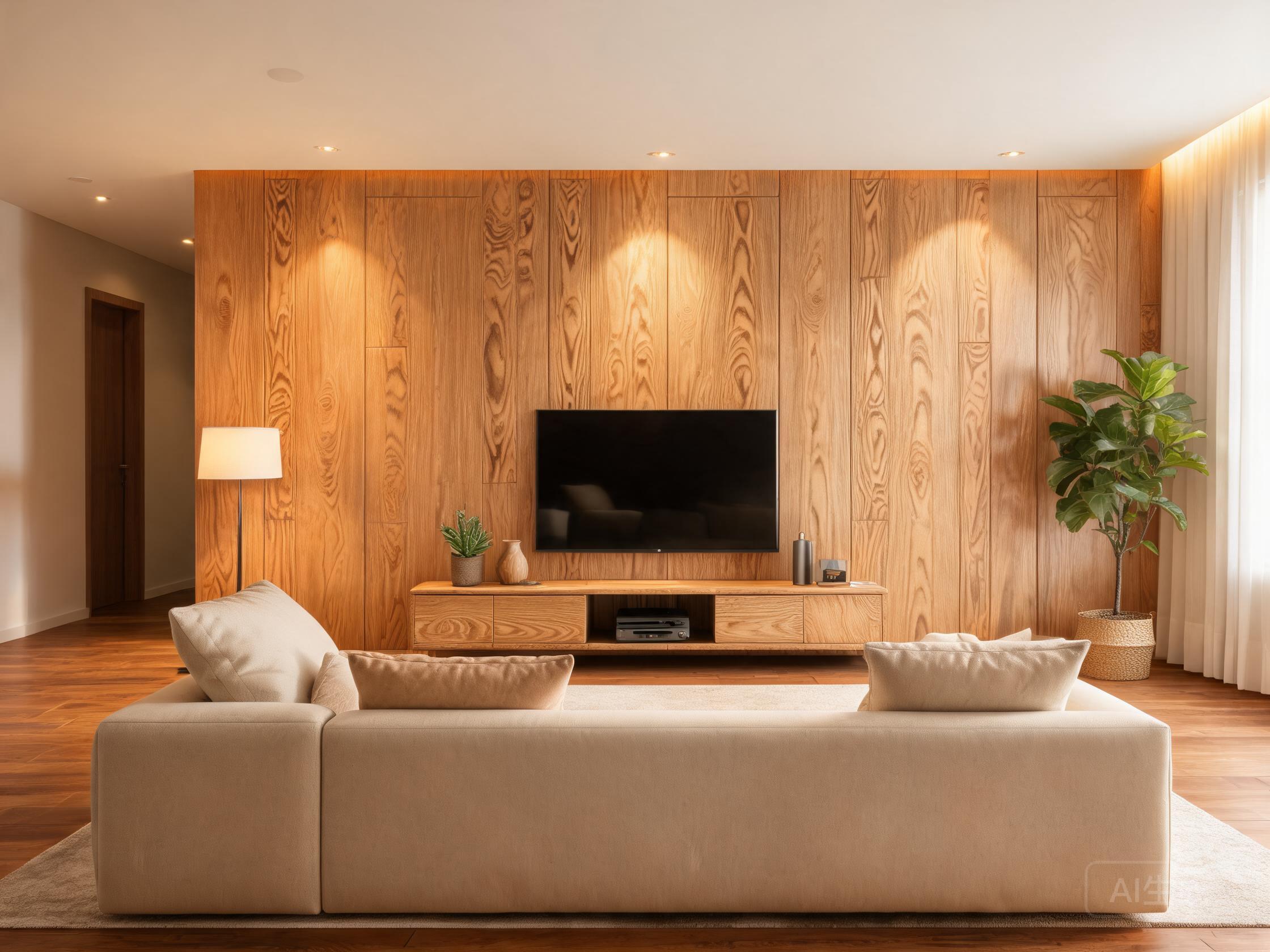
Choose a texture and color that fits the design language of the space. PU stone offers stone, brick and wood textures in hundreds of colorways. Flexible stone provides thin stone veneer for curved and sculptural elements. WPC panels add fluted and slatted textures for modern interiors.
Step 5: Budget for Material and Labor
Remember that labor and installation often cost more than the material itself. A slightly more expensive lightweight panel that installs in half the time can be cheaper overall than a budget material that requires slow, skilled installation. Request a full quote including installation before comparing.
Browse All Wall Cladding Options
Compare PU stone, WPC decking and flexible stone at NexaDBS.
View All Products