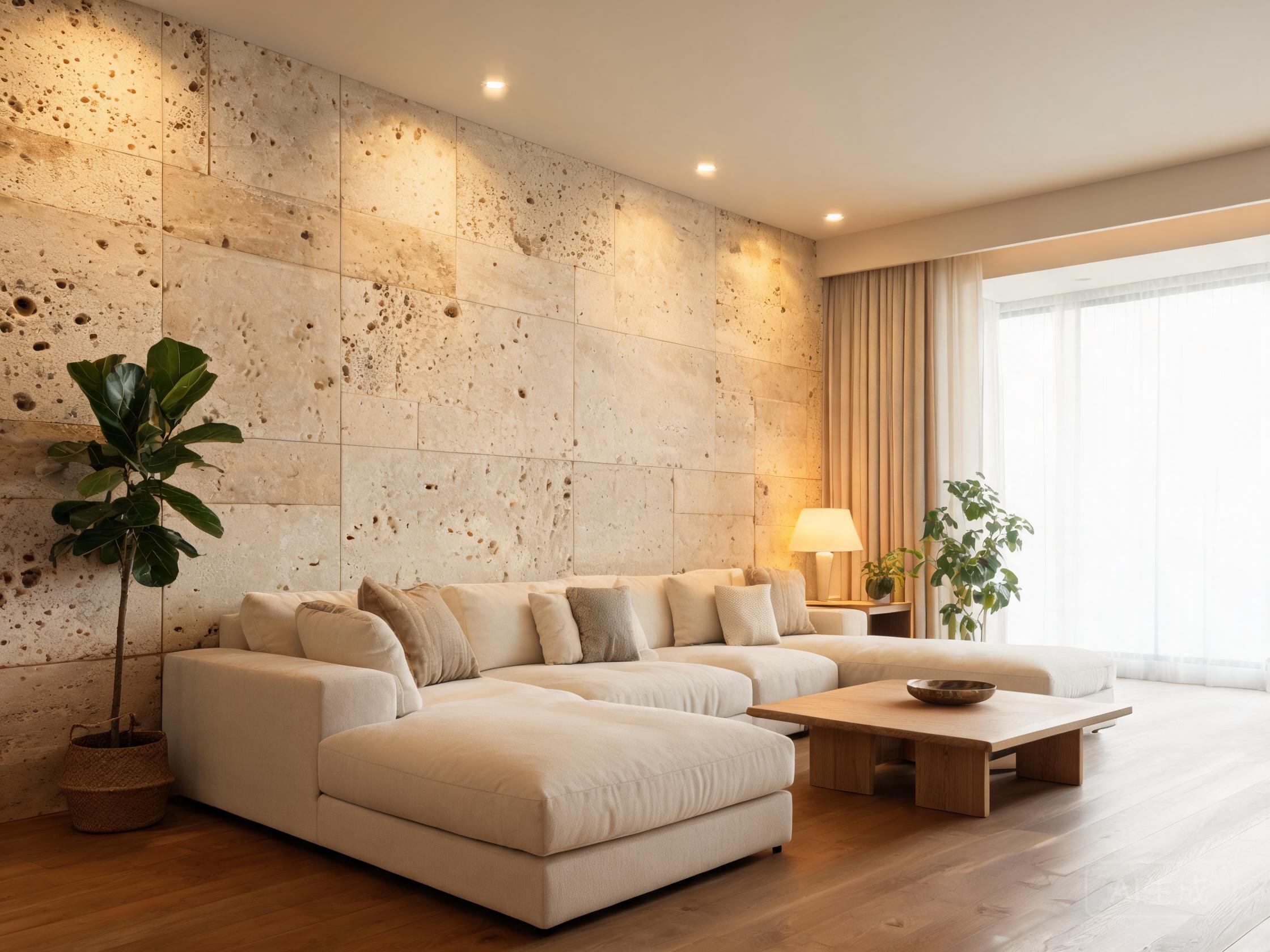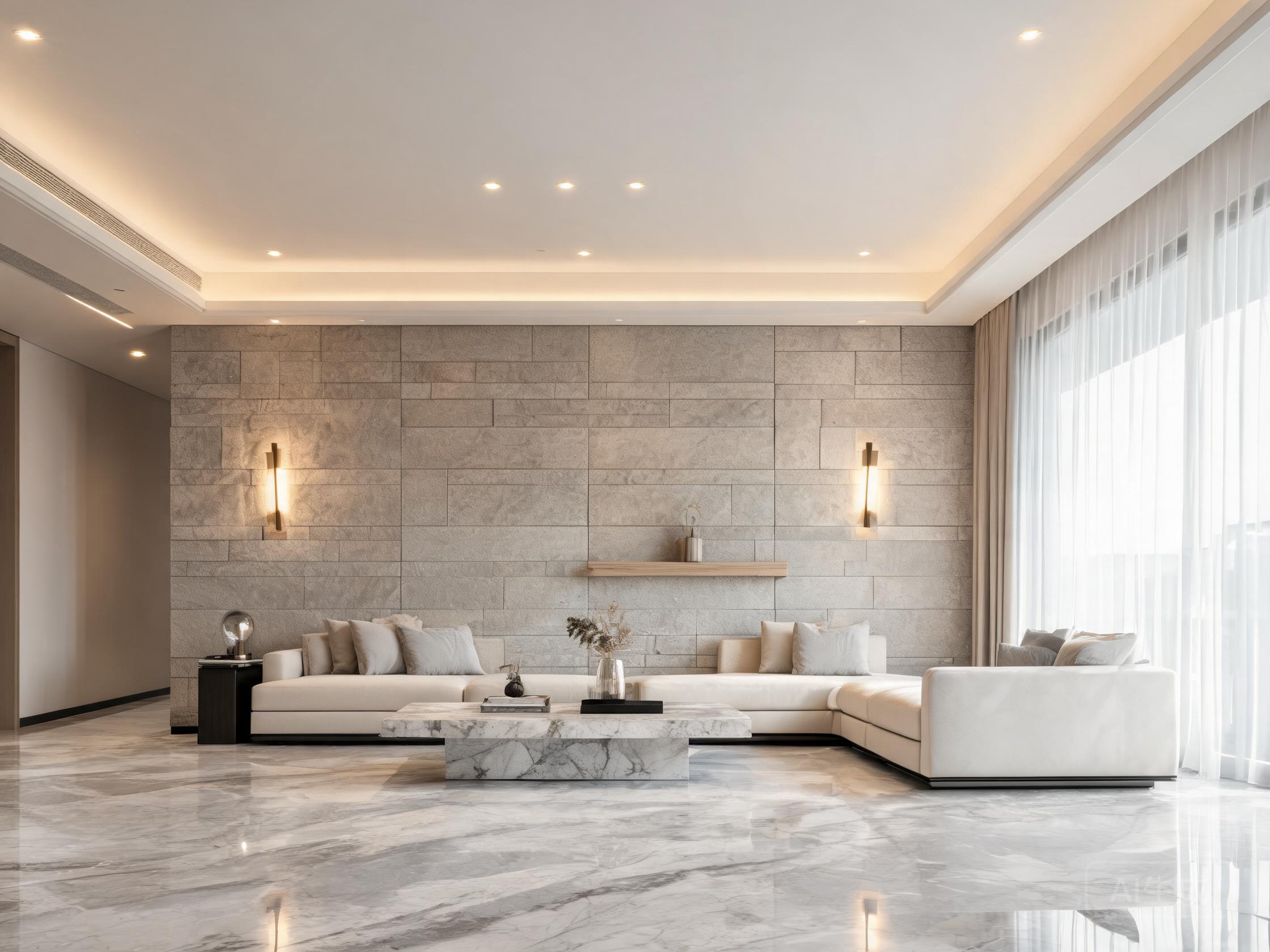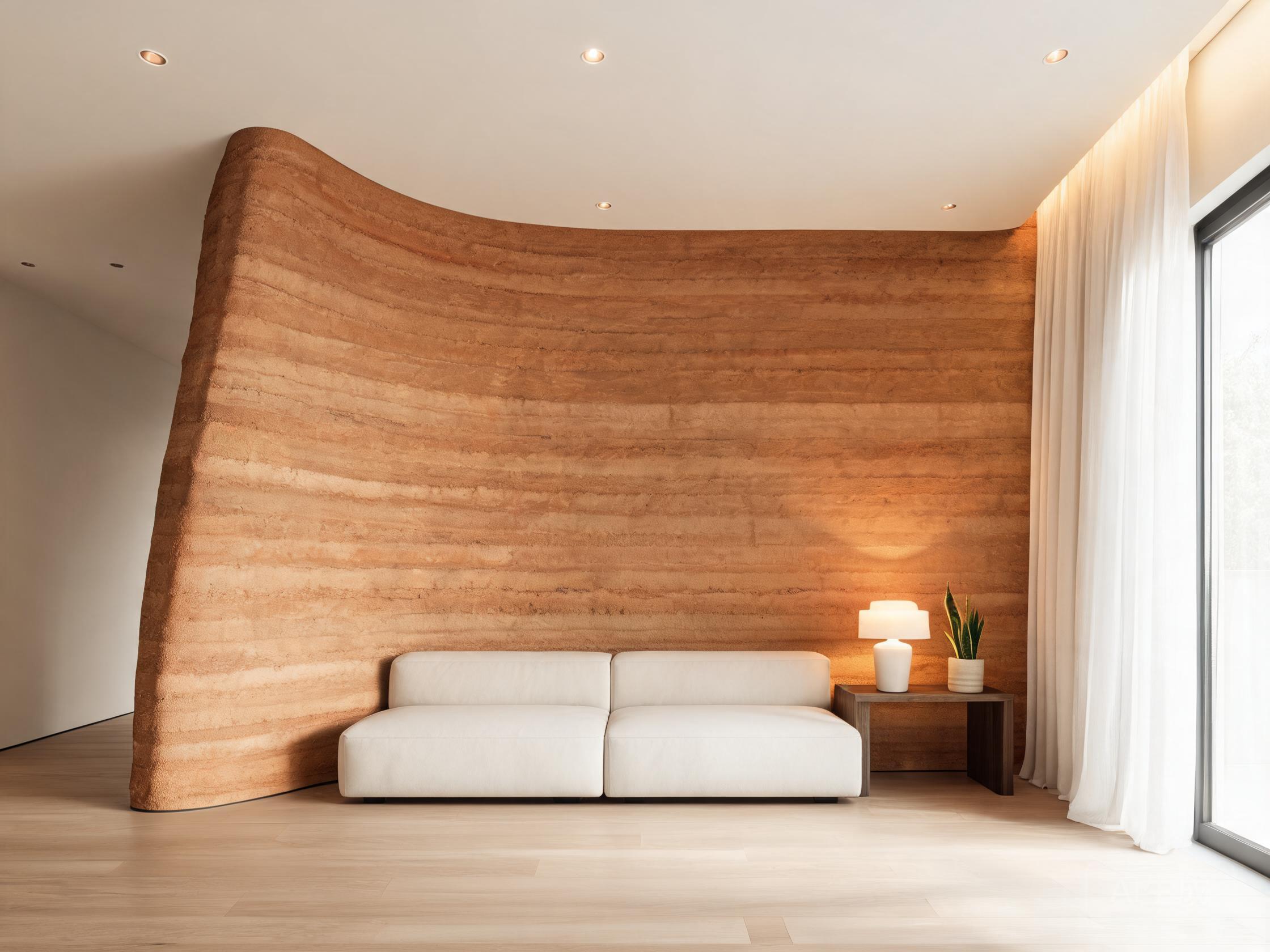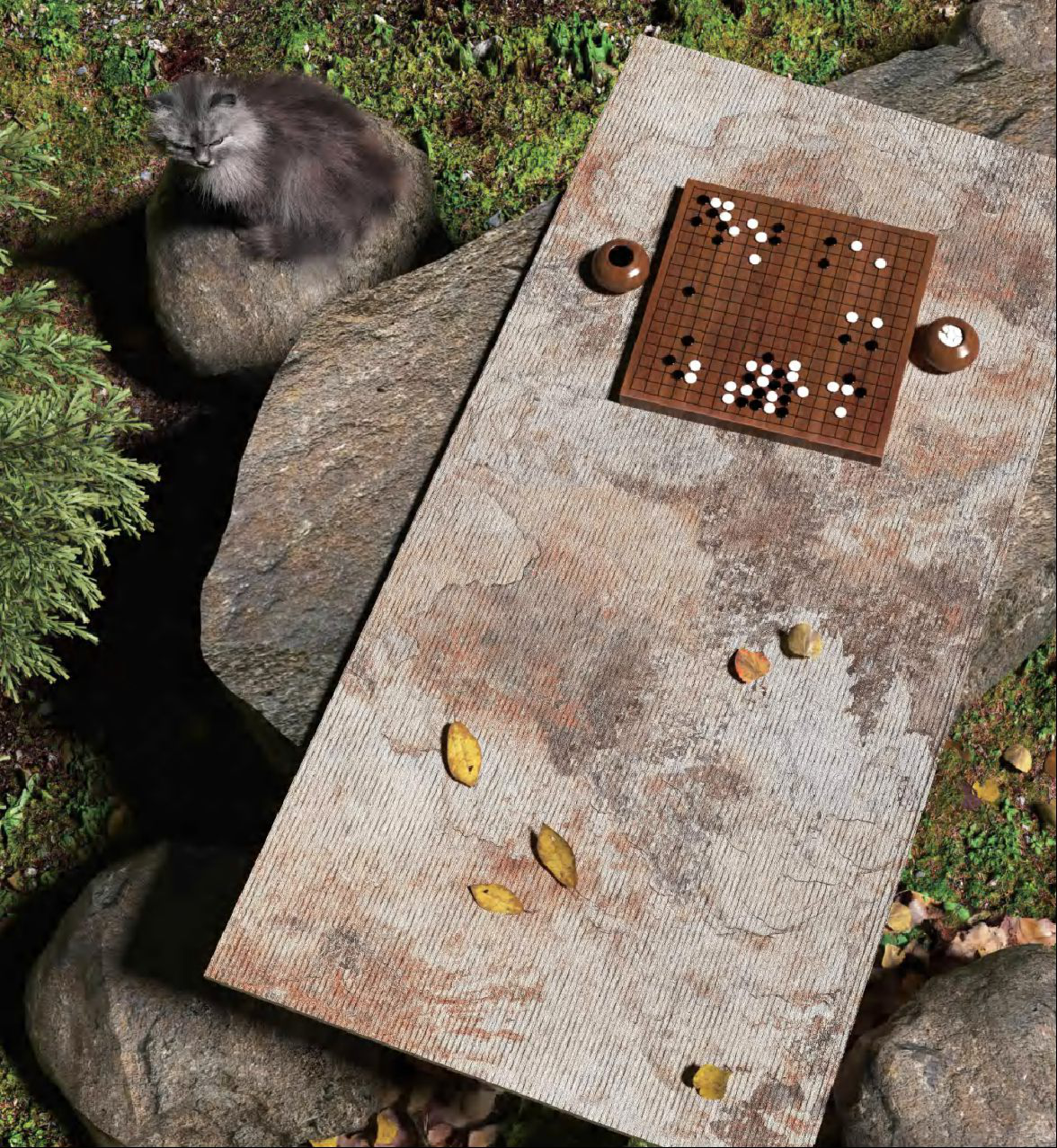
Flexible stone is a lightweight, low-cost and bendable stone-finish material for architects, designers, contractors and distributors. Against natural stone and stone-look coatings, it differs most in weight, flexibility and documentation: 2-10 mm thick and 3.5-6.8 kg/m² by series, bendable under a 200 mm radius (manufacturer data), and classified A2-s1, d0 for reaction to fire under EN 13501-1:2018 (Intertek report 260318008SHF-001). Here are the eight differences that decide which material fits your project.
Key Facts
- ◆Flexible stone runs 2-10 mm thick by series at 3.5-6.8 kg/m² — no structural reinforcement for typical wall substrates.
- ◆Reaction to fire: classified A2-s1, d0 per EN 13501-1:2018 (Intertek report 260318008SHF-001, issued 2026-03-31).
- ◆Hygiene and safety per EN 15102:2007+A1:2011 (SGS, 2026-02-09): VCM, eight soluble heavy metals and formaldehyde — all not detected.
- ◆Natural stone is non-combustible; stone-look coatings are combustible — fire class is a real differentiator on specification-driven projects.
1. Color and Texture Customization
Flexible stone replicates the natural color of quarried stone and can be customized to project requirements (manufacturer data). Natural stone locks color and grain once fixed — what the quarry yields is what you get. Stone-look coatings depend on on-site application: color drifts with climate, temperature, humidity and coating dosage.
2. Weight and Thickness
Flexible stone panels run 2-10 mm thick by series and average 3.5-6.8 kg/m² across the 34-series line (per-series data at our specifications page). Natural stone cladding typically starts around 20-30 mm and adds several times the load per square meter. For renovations and curtain-wall infill, that difference often decides feasibility before budget is even discussed.
3. Flexibility and Curved Surfaces
This is the defining property: flexible stone bends around curves under a 200 mm radius without cracking (manufacturer data), and conforms to the applied surface. Natural stone cannot bend — shaping it means complex fabrication at high cost. Coatings spray onto any shape but build almost no texture depth.
4. Fire Performance — the Dimension With Third-Party Proof
Flexible stone is classified A2-s1, d0 under EN 13501-1:2018, tested per EN 13823:2020+A1:2022 (SBI) and EN ISO 1716:2010 — Intertek report 260318008SHF-001, issued 2026-03-31, on ~3 mm panels with glass-fibre backing. Natural stone is non-combustible (its strength). Stone-look coatings are combustible. On spec-driven commercial work, ask every supplier for the report number, not the adjective.
5. Hygiene and Safety Documentation
Per EN 15102:2007+A1:2011 (tested by SGS, report XMIN2601000012CPC01-1_EN, issued 2026-02-09), flexible stone tested not-detected for vinyl chloride monomer, eight soluble heavy metals (Pb, Sb, As, Ba, Cd, Cr, Hg, Se) and formaldehyde release. Both full reports are downloadable — not "available on request", but on the page.
6. Aging and Service Life
Manufacturer data indicates more than 20 years of service life for regular flexible stone, 30+ for customized products, with some products matching the building's life. Stone-look coatings may crack and chalk after 1000 hours of artificial aging (manufacturer comparison data). Judge aging claims on your own project timeline — and weight them against documented fire and safety data.
7. Environmental Profile
Flexible stone is produced from natural mineral powder and fine sand with a low-consumption, low-emission process (manufacturer data). Quarrying natural stone carries well-known ecological costs: noise, sewage, dust and a degree of natural radioactivity. Coating production is an energy-intensive chemical process. None of these claims replace your own LCA — but they explain why flexible stone is positioned as the eco-forward option.
8. Quick Comparison Table
| Dimension | Flexible Stone | Natural Stone | Stone-Look Coating |
|---|---|---|---|
| Color customization | Replicates natural color + custom (mfr. data) | Fixed once quarried | Prone to color drift |
| Thickness / weight | 2-10 mm / 3.5-6.8 kg/m² (per series) | ~20-30 mm+, heavy | Thin sprayed film |
| Curves | Bends < 200 mm radius (mfr. data) | Cannot bend | Sprayable, no texture depth |
| Fire class | A2-s1, d0 (EN 13501-1:2018, Intertek) | Non-combustible | Combustible |
| Hygiene/safety docs | EN 15102 tested — all ND (SGS) | N/A | Chemical-based |
| Documentation | Report numbers public, PDFs downloadable | Varies by quarry | Rarely documented |
The pattern is consistent: flexible stone wins where weight, curves and documentation matter; natural stone stays unmatched where authentic quarried material is non-negotiable; coatings win on initial spray convenience but carry the weakest paper trail.
View specifications & test reports
Compare all 34 flexible stone series and download the EN 13501-1 and EN 15102 test reports
View specifications & test reports